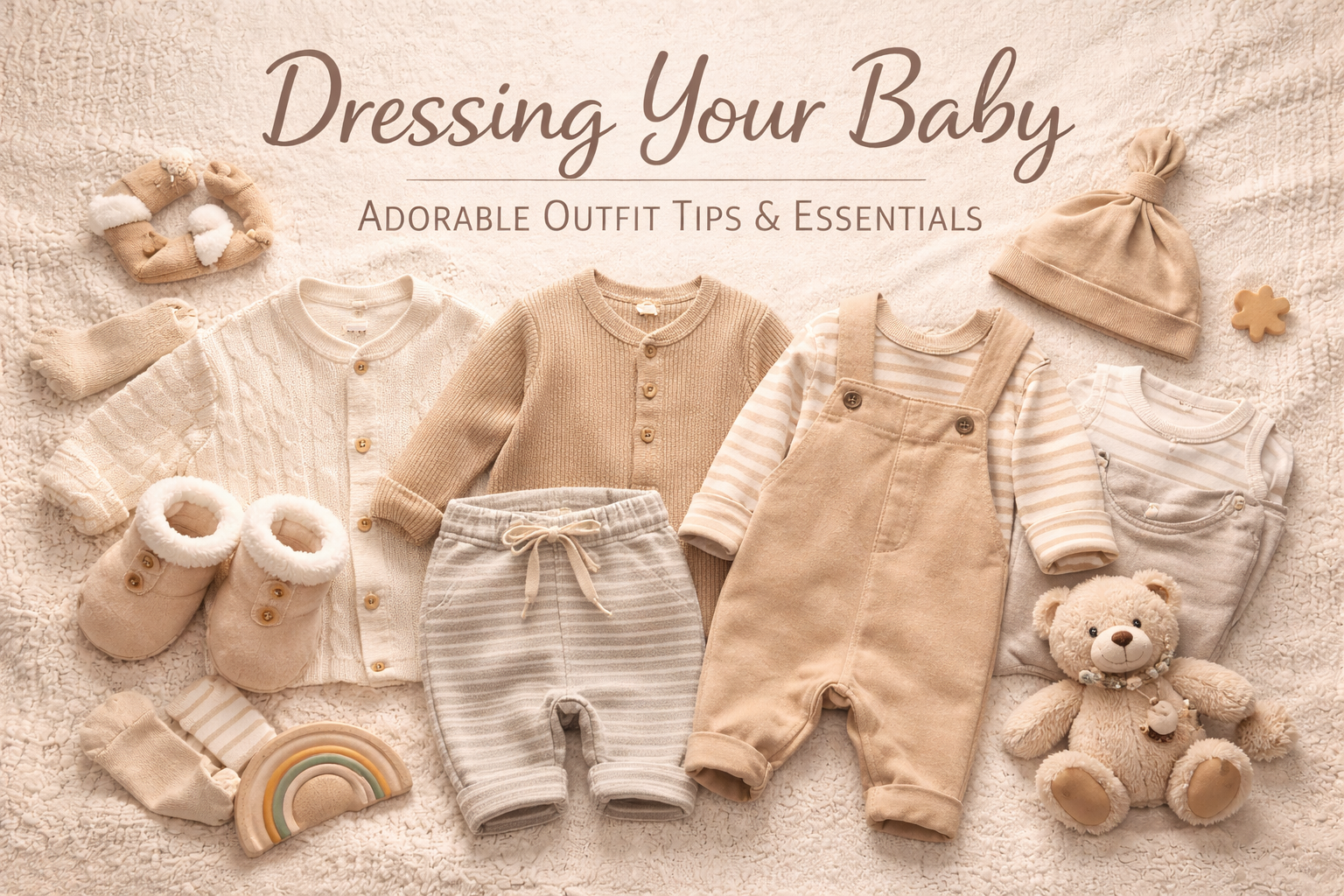
Dressing Your Newborn: A Gentle Guide to Comfort, Care, and Confidence
Welcoming a newborn into your life is a beautiful, life-changing experience. Everything feels delicate, meaningful, and new — including the simple act of getting your baby dressed. While tiny outfits are undeniably adorable, dressing your newborn is about much more than style. It is about comfort, safety, warmth, and making everyday routines smoother for both you and your little one.
If you are preparing your baby’s wardrobe or learning how to dress your newborn with confidence, this guide will walk you through everything you need to know.
Understanding Your Newborn’s Needs
Newborns are still adjusting to life outside the womb. Their bodies are learning how to regulate temperature, their skin is sensitive, and they spend most of their time sleeping. Because of this, clothing should support comfort and stability above all else.
Unlike adults, newborns can lose body heat quickly. A good rule of thumb is to dress your baby in one more light layer than you are wearing. However, comfort matters more than layering excessively. Overheating can be just as uncomfortable and risky as being too cold.
Pay attention to cues. If your baby’s chest feels warm (not sweaty) and their hands and feet are cool but not icy, they are likely dressed appropriately. Fussiness without other causes can sometimes signal discomfort from being too warm or too cold.
Choosing Soft, Breathable Fabrics
A newborn’s skin is incredibly delicate. Look for fabrics that are soft, breathable, and gentle.
Cotton is one of the best choices for newborn clothing. It is lightweight, breathable, and easy to wash. Organic cotton is an added option if you prefer minimal exposure to chemicals. Bamboo blends are also popular for their softness and moisture-wicking properties.
Avoid rough seams, scratchy tags, and stiff fabrics. Anything that rubs against the skin can cause irritation. Before dressing your newborn in new clothes, washing them in a mild, fragrance-free detergent can help remove residues and soften the material.
Start with the Essentials
When it comes to newborn clothing, less is more. Babies grow quickly, and you do not need an overflowing closet in the early weeks. Focus on versatile essentials that make daily care simple.
Here are foundational pieces every newborn wardrobe should include:
These are the backbone of a newborn wardrobe. They snap at the bottom for easy diaper changes and can be worn alone or layered.
Because newborns sleep often, comfortable sleepers are a must. Zippered versions can make late-night changes faster and easier.
Swaddling can help babies feel secure and promote better sleep. Once your baby begins to show signs of rolling, transition to wearable sleep sacks for safety.
Newborns can lose heat through their heads, especially in the first few days. A lightweight hat can help maintain warmth when needed.
While footed pajamas often eliminate the need for socks, having a few soft pairs on hand is helpful.
The key is choosing pieces that are practical, easy to put on and take off, and comfortable for extended wear.
Dressing for the Seasons
Seasonal changes will influence how you dress your newborn, but layering remains the most reliable strategy.
In warmer months, lightweight cotton onesies or short-sleeve bodysuits are often sufficient indoors. If you go outside, protect your baby from direct sun exposure with light layers and shade rather than heavy clothing.
In colder months, layering becomes more important. A long-sleeve bodysuit under a sleeper, combined with a soft sweater or jacket for outdoor trips, can provide warmth. Avoid bulky coats in car seats, as they can interfere with proper harness fit. Instead, use blankets over secured straps once the baby is buckled in.
Remember that indoor temperatures often differ from outdoor conditions. Adjust layers accordingly rather than dressing solely for the weather outside.
Prioritizing Safety
Safety should always guide your clothing choices. While decorative items may be cute, newborns do not need accessories that could pose risks.
Avoid clothing with loose buttons, bows, or embellishments that could detach. Strings, long ties, or anything that could wrap around fingers or necks should be avoided. Simple, secure designs are safest.
Sleep safety is especially important. Babies should sleep on their backs in a crib free of loose blankets, pillows, and stuffed animals. If extra warmth is needed, a properly fitted sleep sack is a safer alternative to loose blankets.
When in doubt, simplicity is best.
Making Dressing Easier for Parents
In the early days, even simple tasks can feel overwhelming. Choosing clothing designed for convenience can make a meaningful difference.
Look for wide neck openings or envelope-style shoulders that allow garments to slide down instead of over the head in case of diaper blowouts. Zippers can be faster than multiple snaps during late-night changes, though some parents prefer snaps for easier diaper access.
Organizing clothing by type and size also helps. Babies grow quickly, and rotating items that no longer fit ensures you always have comfortable options available.
Preparing outfits ahead of time can reduce stress during busy mornings or nighttime wakeups. Handling Growth Spurts
Newborns grow at an astonishing pace. Some babies outgrow newborn sizes within weeks, while others wear them longer. It is wise to have a mix of newborn and 0–3 month sizes ready.
Clothing that allows a little room to grow can extend wear time. Foldable mittens, adjustable waistbands, and stretchy materials help accommodate rapid changes.
Keep an eye on fit. If snaps pull, sleeves feel tight, or your baby seems uncomfortable when moving, it may be time to size up. Comfort and flexibility are always more important than sticking to a labeled size.
Special Occasions vs. Everyday Comfort
It is tempting to dress your newborn in elaborate outfits for photos and celebrations. While special pieces are lovely for short periods, everyday comfort should remain the priority.
Choose soft, flexible clothing for daily wear. Save formal outfits for brief events, and change your baby back into comfortable attire afterward.
Photos capture moments beautifully, but your baby’s comfort ensures those moments remain peaceful and enjoyable.
Laundry and Care Tips
Newborns can go through multiple outfit changes in a single day. Spit-up, diaper leaks, and drool are part of daily life. Having enough basics on hand reduces stress between laundry cycles.
Use a gentle, fragrance-free detergent designed for sensitive skin. Wash new items before first use. Avoid fabric softeners and heavily scented products, as they may irritate your baby’s skin.
Keeping stain remover safe for infant clothing nearby can help preserve favorite pieces. Trusting Your Instincts
Every baby is different. Some run warm, others cool. Some tolerate hats well, others pull them off immediately. Learning your newborn’s preferences takes time.
Pay attention to cues rather than rigid rules. If your baby seems calm, feeds well, and sleeps comfortably, you are likely dressing them appropriately.
Parenting often brings an avalanche of advice, but your observation and intuition are powerful tools. Dressing your newborn does not need to be complicated. It should feel manageable and nurturing.
Creating a Calm Dressing Routine
The act of dressing your newborn can become a bonding moment. Speak softly, maintain eye contact, and move gently. Even routine tasks can feel comforting when done with patience.
Changing tables can feel cool, so placing a soft pad cover underneath your baby helps maintain warmth. Keep all supplies within reach to minimize disruptions.
When babies become fussy during outfit changes, try warming your hands first or choosing clothing with fewer steps. Over time, these small adjustments create smoother experiences.
Embracing Simplicity
In a world filled with adorable baby fashion trends, it is easy to feel pressure to curate a picture-perfect wardrobe. But newborns need simplicity more than variety.
A small collection of well-chosen, comfortable pieces will serve you far better than an overflowing closet of impractical outfits. Focus on softness, safety, and ease. Let your baby’s comfort guide your choices.
The newborn stage passes quickly. Before long, those tiny sleepers and miniature socks will be folded away as keepsakes. Dressing your newborn is not just about clothing — it is about wrapping them in care, warmth, and security as they begin their journey in the world.
With thoughtful choices and gentle routines, you can create a wardrobe that supports both your baby’s comfort and your confidence as a new parent.